
Embracing Challenging Behaviours Through Trauma-Informed Care
Child Profile
A preschool-aged child with Autism Spectrum Disorder and Global Developmental Delay, experiencing significant distress at home, school and during therapy.
Approach
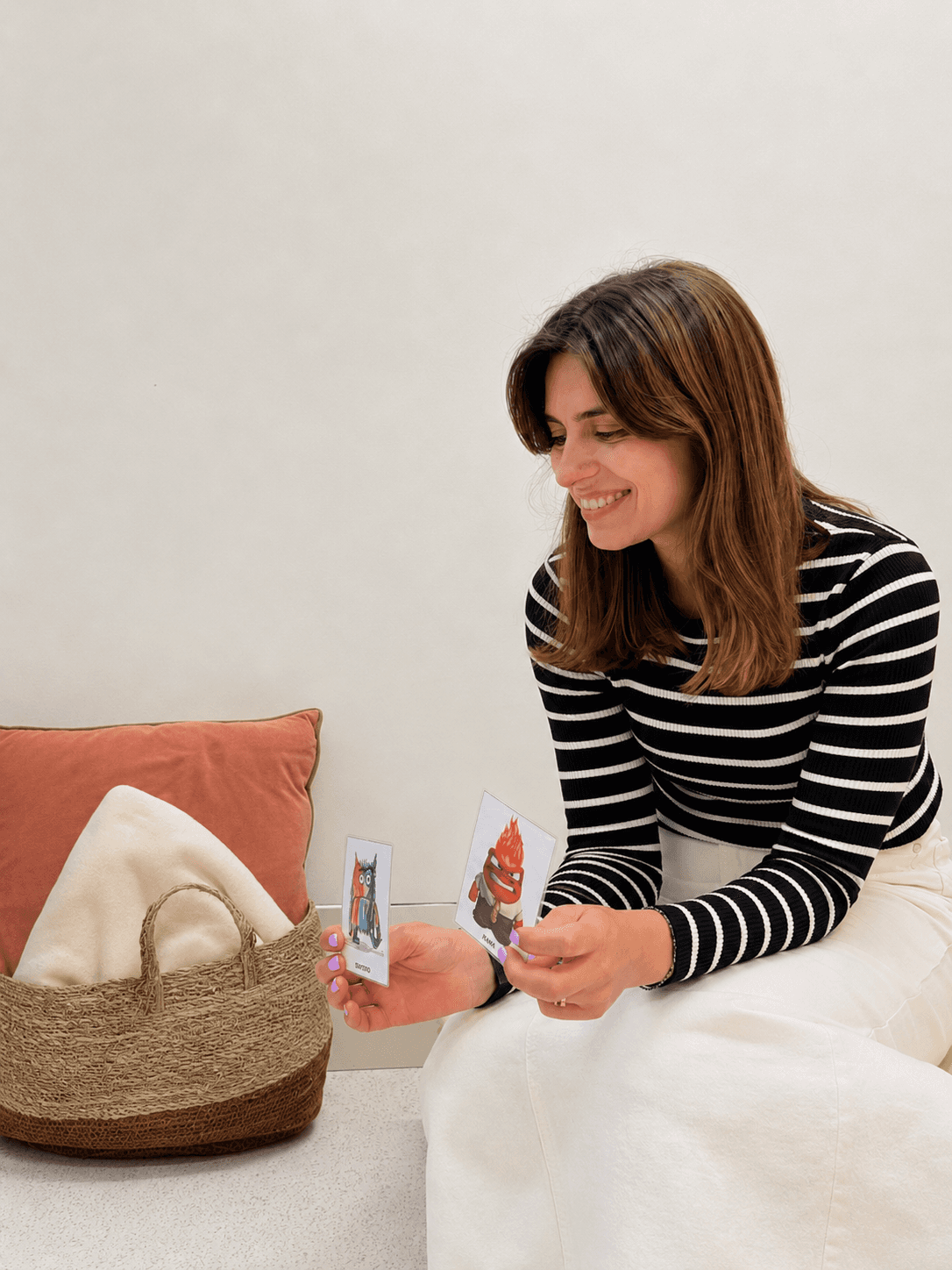
Building trust through play, visual supports, emotional language, and soothing alternatives - transforming rigid rituals into flexible interactions, with consistent support from parents, school, and the multidisciplinary team.
Initial Challenge
The child faced constant challenges to cooperate in every activity and to shift between spaces and routines, being actively involved in unstoppable repetitive stereotyped behaviors.
Progress/Outcome
Child shifted from seeking rituals to actively seek the relationship with adult and parents - developing greater cognitive flexibility, emotional understanding and expression and confidence during transitions.
Why it Matters
Meaningful change doesn't require confrontation. When children feel understood and emotionally safe, they become active participants in their own development.


Embracing Challenging Behaviours Through Trauma-Informed Care
A preschool-aged child with Autism Spectrum Disorder and Global Developmental Delay, experiencing significant distress at home, school and during therapy.
Child Profile
A preschool-aged child with Autism Spectrum Disorder and Global Developmental Delay, experiencing significant distress at home, school and during therapy.
Initial Challenge
The child faced constant challenges to cooperate in every activity and to shift between spaces and routines, being actively involved in unstoppable repetitive stereotyped behaviors.
Approach
Building trust through play, visual supports, emotional language, and soothing alternatives - transforming rigid rituals into flexible interactions, with consistent support from parents, school, and the multidisciplinary team.
Progress/Outcome
Child shifted from seeking rituals to actively seek the relationship with adult and parents - developing greater cognitive flexibility, emotional understanding and expression and confidence during transitions.
Why it Matters
Meaningful change doesn’t require confrontation. When children feel understood and emotionally safe, they become active participants in their own development.
